
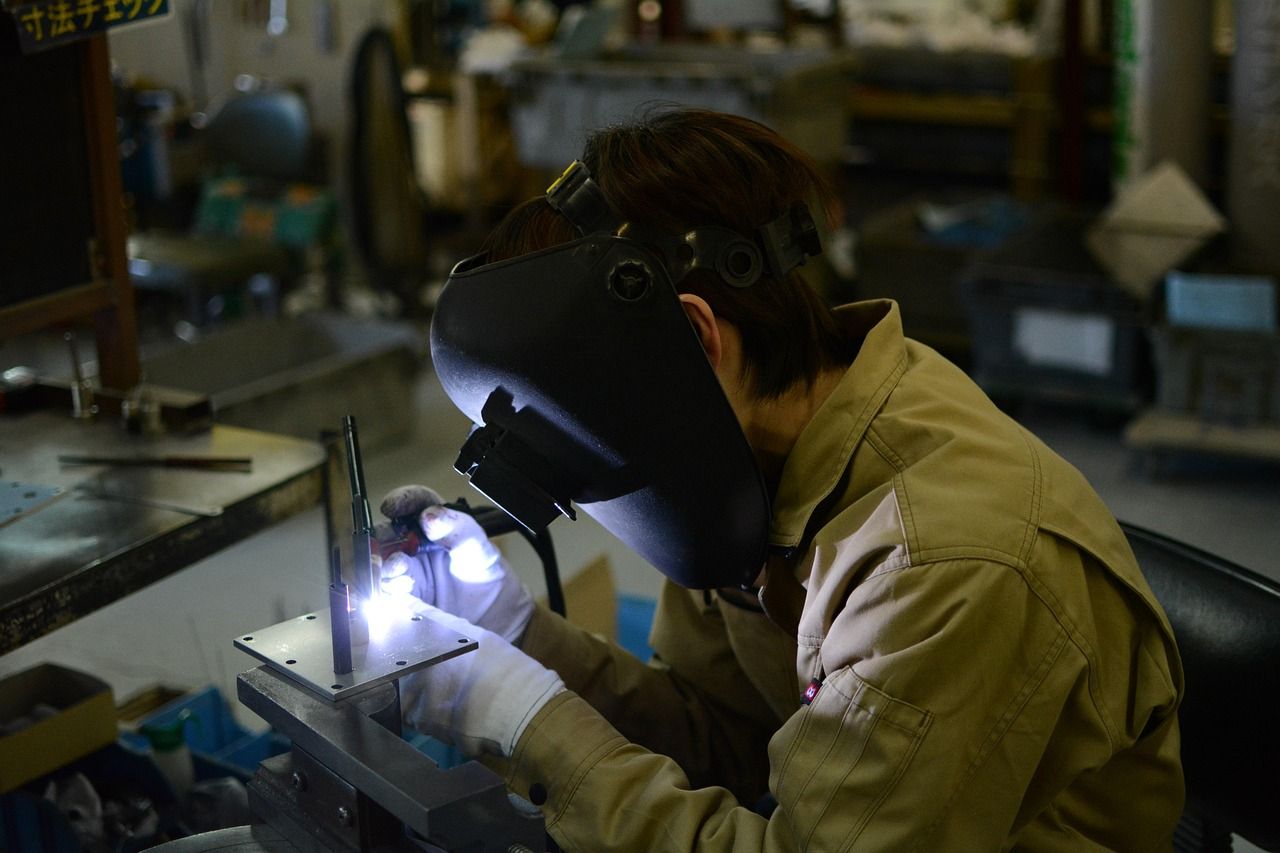
Our lead fabricator explains the importance of TIG welding for high-integrity structural and piping systems. This process, also known as gas tungsten arc welding (TIG), uses a non-consumable tungsten electrode and inert shielding to deliver the precise, high-quality welds suited to exacting steelwork. Its hallmark is fine control over heat and filler that produces clean, spatter-free beads for demanding applications.
What sets TIG apart
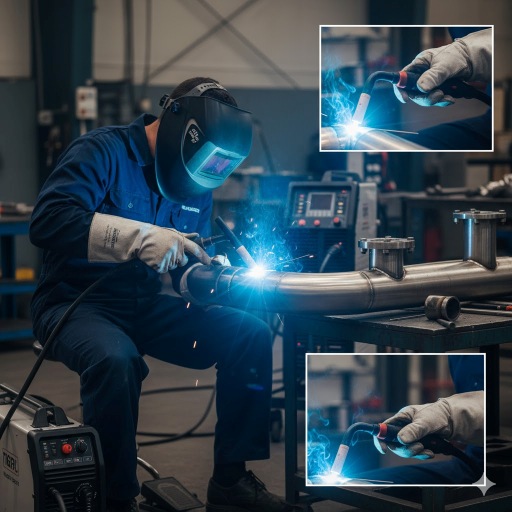
A tungsten electrode heats the joint while argon shielding protects the puddle, and filler is added separately for exact control. This separation of torch and filler enables tight heat input and consistently clean results on intricate joints. On steels, the standard polarity is DC electrode negative for deep, stable penetration.
Precision in practice
Achieving a clean TIG weld requires a steady hand and adherence to key techniques:
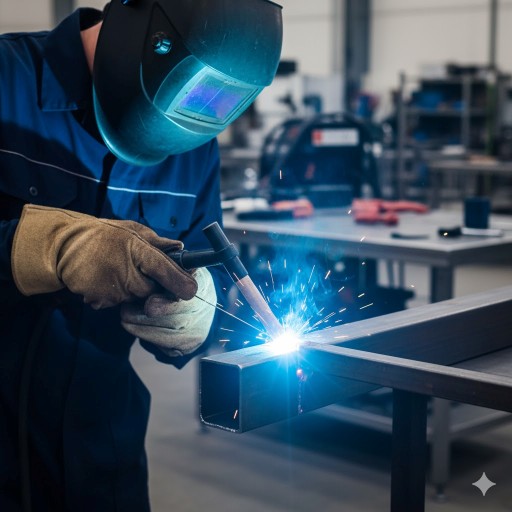
- Hold the torch at roughly a 15-degree angle and guide a steady puddle for crisp bead definition.
- Avoid touching the tungsten with the filler wire to prevent contamination and regrinding the electrode tip.
- Foot-pedal or fingertip amperage control lets welders fine-tune heat input for delicate seams and thin sections.
Where it shines
TIG is the preferred process where weld integrity and appearance are critical, especially for high-integrity structural and piping systems. It is also essential for other demanding applications, including aerospace components and food-grade equipment. While typically slower than other processes, its precision yields immaculate beads and minimizes post-weld cleanup.
Gas and polarity for steel
Pure argon is commonly used as the shielding gas in TIG to protect the molten pool from atmospheric contamination. It's essential to use DC electrode negative on steels to focus heat into the workpiece for deep, stable penetration.
Get in touch
For project inquiries or quotes on precision steelworks, reach the Einz Engineering team by phone at +65 6264 6178 or email admin@einz.com.sg.